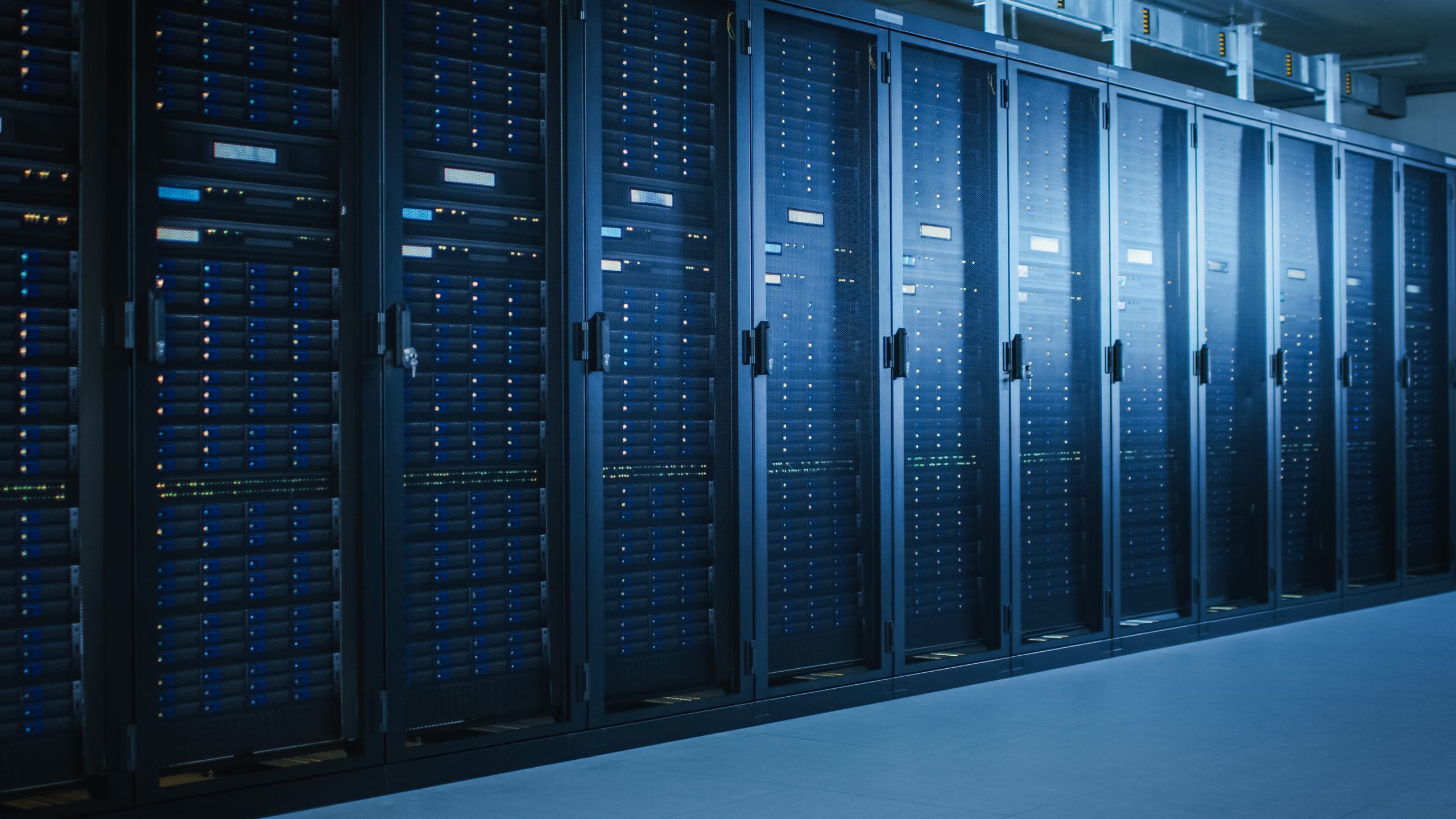
Modern data centers are becoming increasingly complex. Electrical infrastructure, cooling systems, UPSs, generators, BMS, EPMS, DCIM, IT equipment and thousands of sensors continuously generate operational data.
The challenge is no longer collecting information.
The challenge is understanding how all these systems interact and using that knowledge to make better operational decisions.
A Digital Twin creates a dynamic digital representation of the physical data center, enabling operators and management to visualize, analyze, simulate and optimize the entire facility in real time.
What Is a Digital Twin?
A Digital Twin is much more than a 3D model or a visualization tool.
It is a living digital model of the data center that continuously receives live operational data from every connected system.
Unlike static engineering drawings or traditional monitoring software, a Digital Twin reflects the current operating condition of the facility.
As equipment status changes, loads increase, temperatures fluctuate or alarms occur, the Digital Twin is automatically updated.
This creates a real time digital representation of the actual data center.
What Systems Are Connected?
A modern Data Center Digital Twin can integrate information from virtually every critical system, including:
Electrical Infrastructure
EPMS
SCADA
Building Management Systems (BMS)
DCIM
UPS Systems
Generators
Battery Monitoring Systems
Cooling Systems
CRAH and CRAC Units
Chiller Plants
Power Distribution
Environmental Monitoring
Fire Detection Systems
Security Systems
IT Infrastructure
Energy Management Systems
IoT Sensors
By combining information from all these sources, the Digital Twin becomes a single operational model of the entire facility.
Beyond Visualization
Many people associate Digital Twin technology with impressive 3D graphics.
Visualization is only one part of the solution.
The real value comes from operational intelligence.
A Digital Twin enables organizations to:
Understand the current operating condition of every system
Analyze relationships between electrical, mechanical and IT infrastructure
Identify operational bottlenecks
Detect abnormal behavior
Monitor critical KPIs
Support predictive maintenance
Optimize energy consumption
Improve capacity planning
Reduce operational risk
Support executive decision making
The Digital Twin transforms operational data into actionable business intelligence.
Scenario Analysis
One of the most powerful capabilities of a Digital Twin is the ability to evaluate operational scenarios before making changes to the physical facility.
Operators can analyze questions such as:
What happens if one UPS is removed for maintenance?
Can the remaining cooling systems support the expected IT load?
Which generators will be affected during a power failure?
How will a new AI cluster impact electrical and cooling capacity?
What is the safest sequence for planned maintenance?
By understanding the impact before changes are implemented, organizations reduce operational risk and improve planning accuracy.
Digital Twin and AI
Artificial Intelligence becomes significantly more valuable when combined with a Digital Twin.
Because the platform already understands the relationships between systems, AI can provide context rather than simply reporting alarms.
Instead of displaying hundreds of events, AI can identify probable root causes, recommend corrective actions, explain business impact and predict future operational risks.
This enables operators to move from reactive maintenance to proactive management.
Digital Twin Built on Ignition
At Contel, Digital Twin solutions are built on the Ignition platform by Inductive Automation.
Ignition provides an open, scalable and vendor independent architecture capable of integrating thousands of devices using standard industrial protocols including OPC UA, Modbus, BACnet, MQTT and IEC 61850.
Rather than creating another isolated application, the Digital Twin becomes part of a unified Data Center Management Platform that also includes SCADA, EPMS, BMS, DCIM, operational dashboards, historical analytics and executive reporting.
This creates one connected operational environment for the entire facility.
Benefits of a Digital Twin
A Digital Twin delivers measurable operational and business benefits.
Complete visibility across the entire facility
Better operational awareness
Faster incident investigation
Improved root cause analysis
Smarter maintenance planning
Reduced operational risk
Higher infrastructure reliability
Improved energy efficiency
Better capacity planning
Support for AI powered analytics
Executive dashboards and operational KPIs
Improved decision making
From Monitoring to Simulation
Traditional monitoring systems tell operators what is happening.
A Digital Twin explains why it is happening and helps predict what could happen next.
It provides the intelligence required to understand the interactions between electrical infrastructure, cooling systems, energy management and IT operations.
For modern data centers, the Digital Twin is becoming the next evolution of operational management.
Contel’s Vision
At Contel, we believe the future of data center operations is built on a unified operational platform.
By combining Digital Twin technology with SCADA, EPMS, BMS, DCIM, Operational Intelligence and AI, organizations gain much more than visibility.
They gain the ability to understand, predict and optimize the performance of their critical infrastructure.
The result is a smarter, safer, more efficient and more resilient data center, where every operational decision is based on real time information, engineering knowledge and actionable insights.